
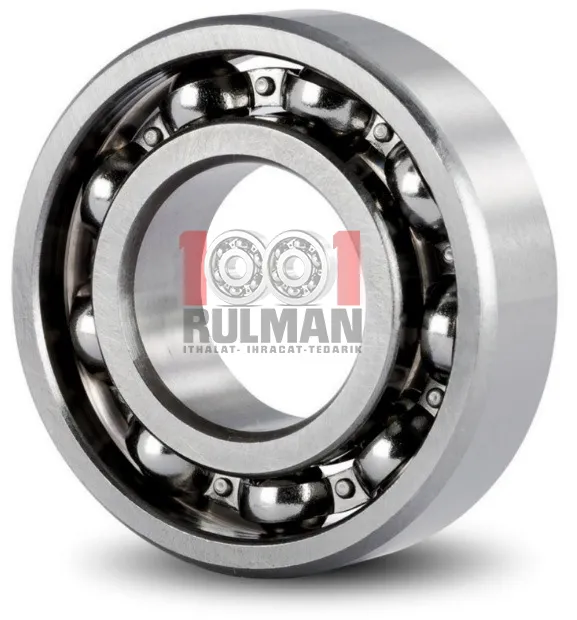
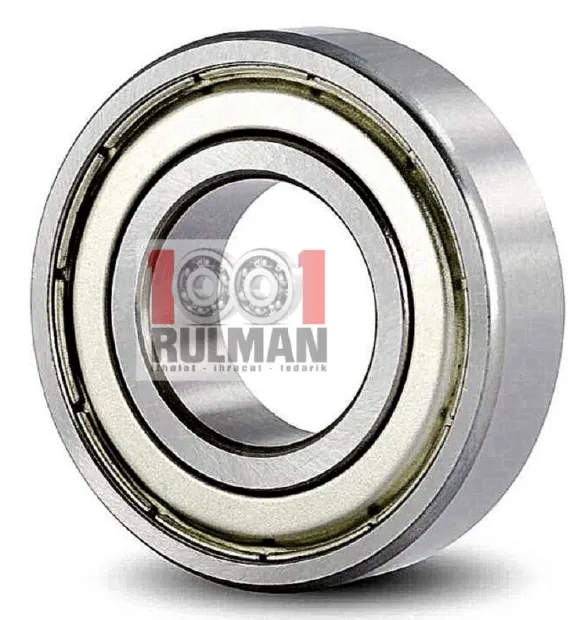
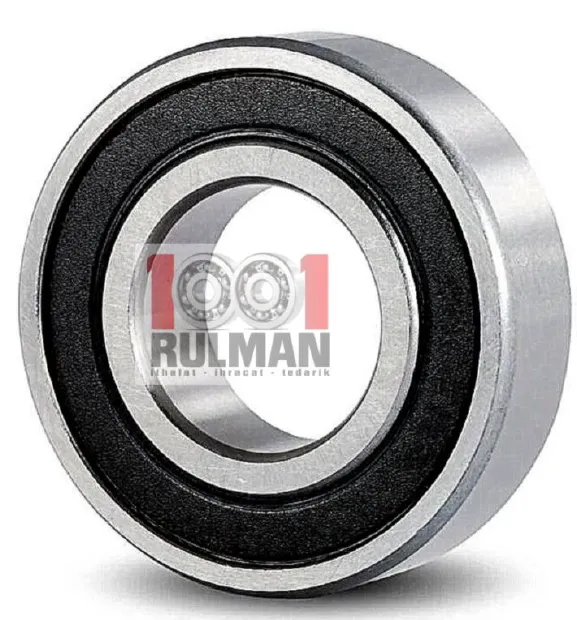
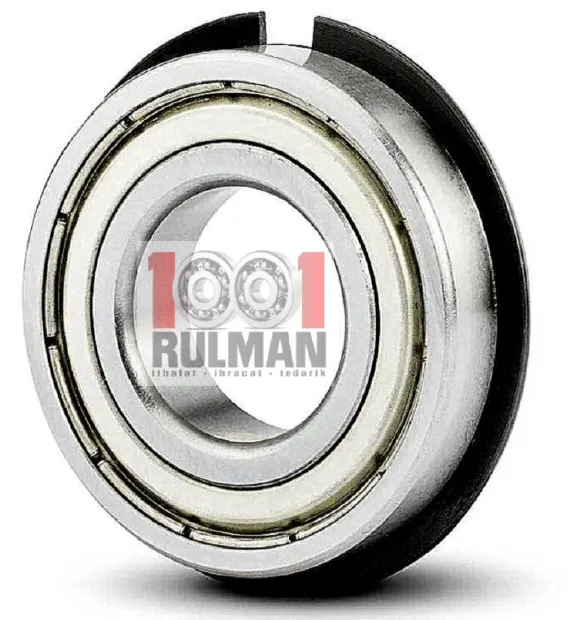
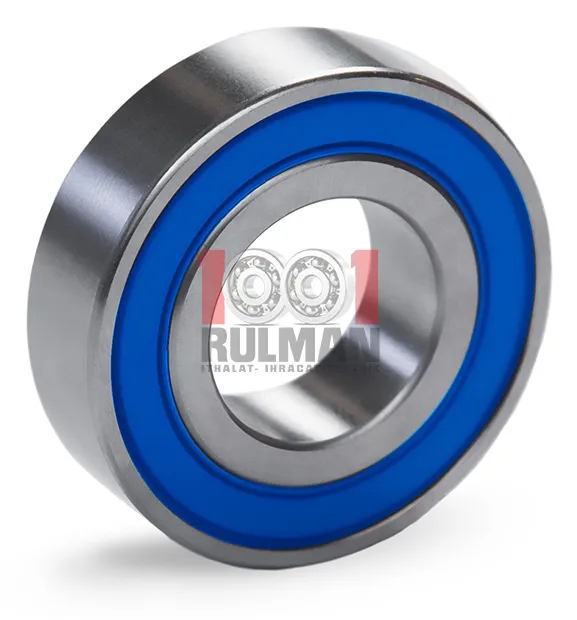
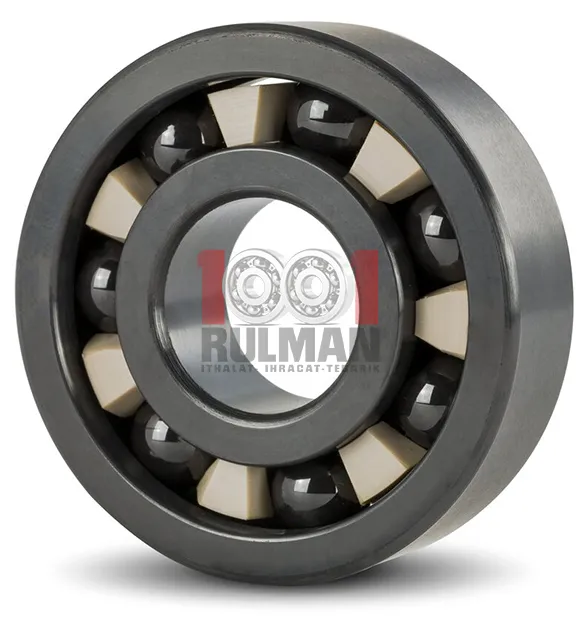
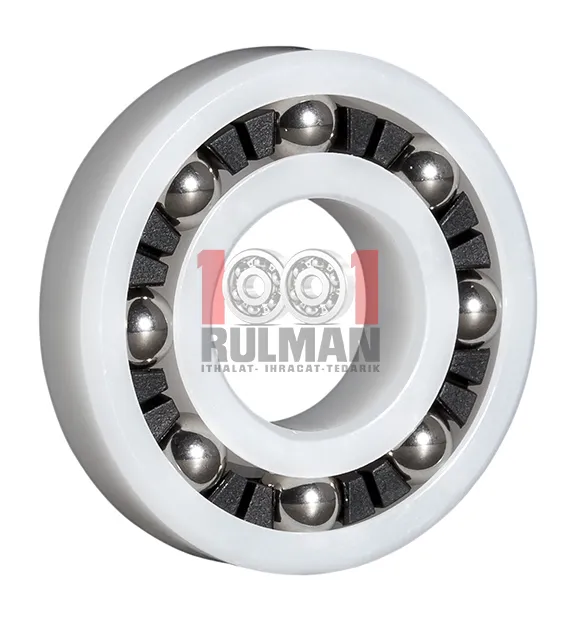
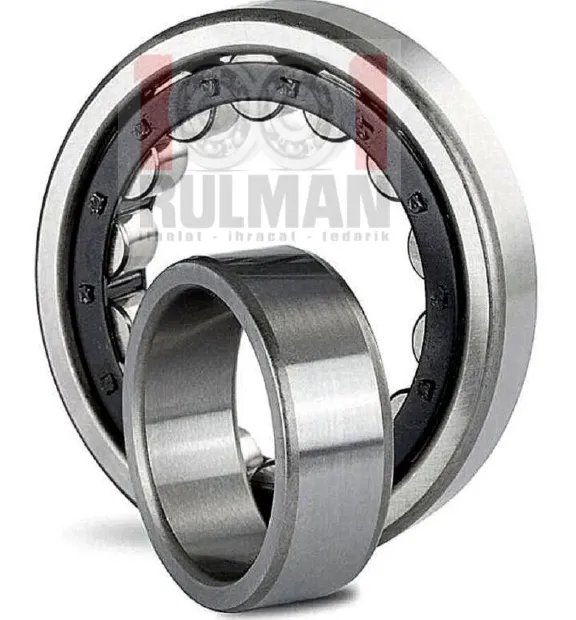
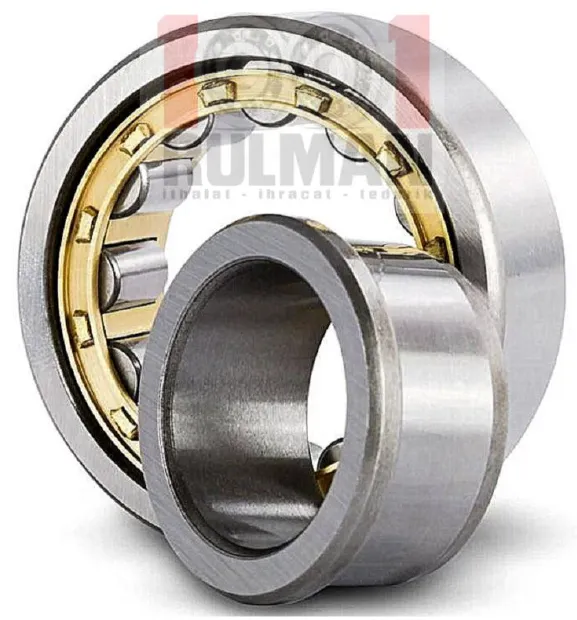


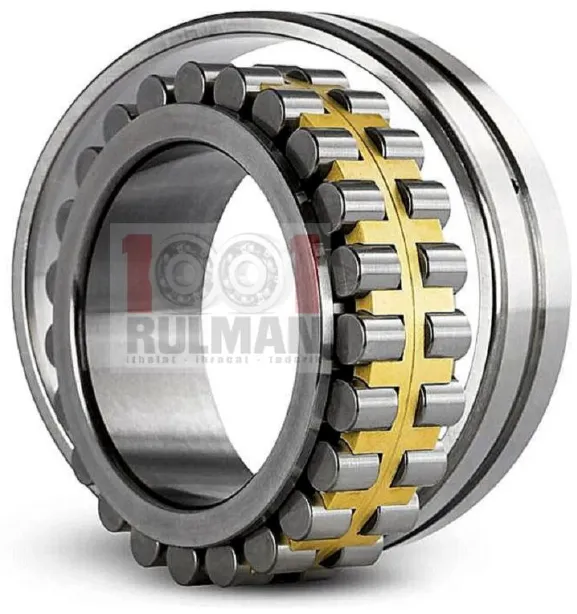
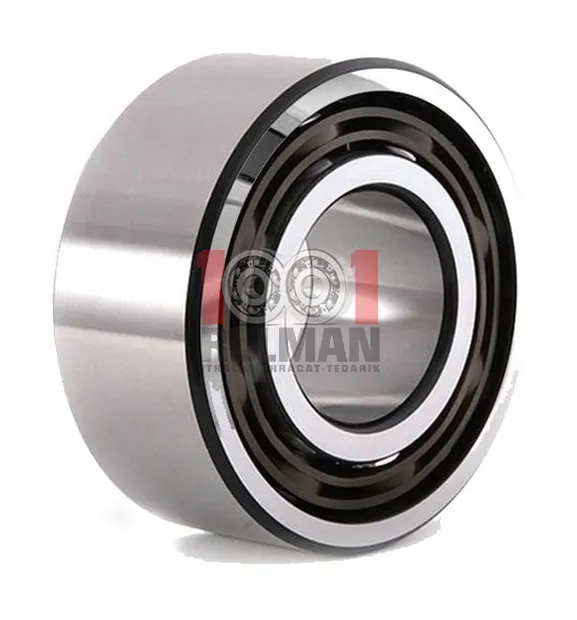
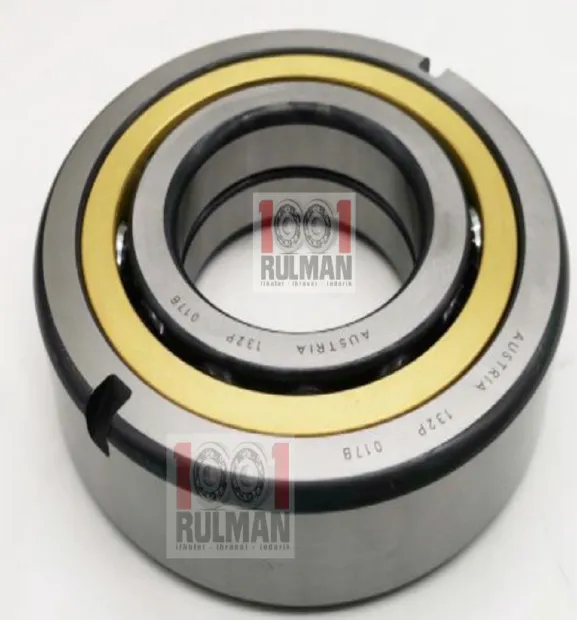
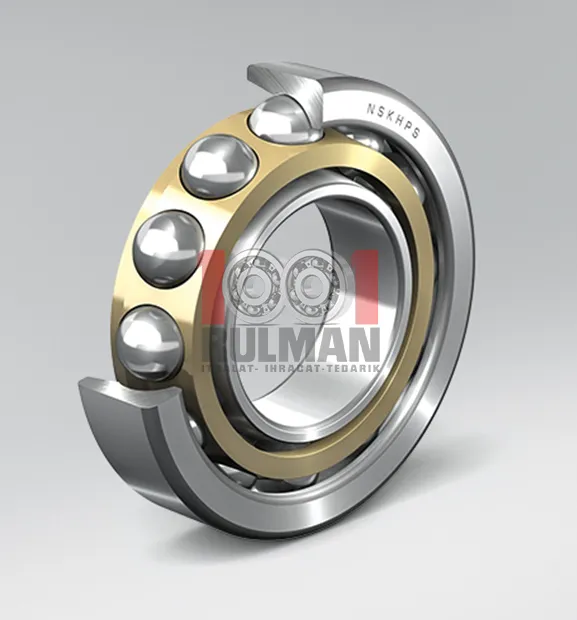
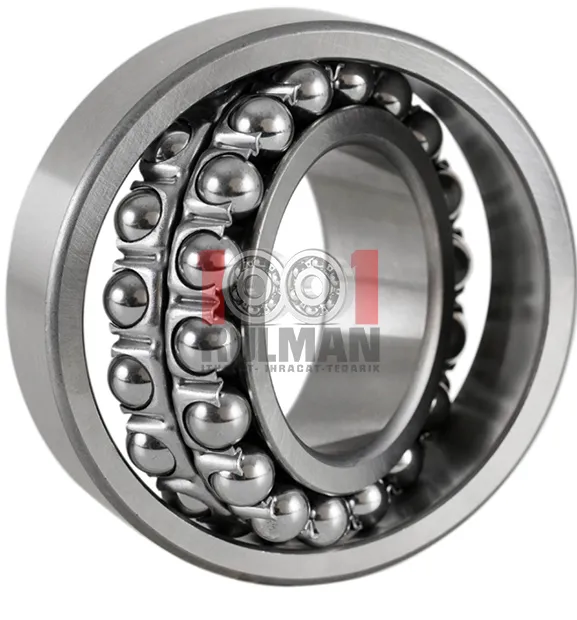
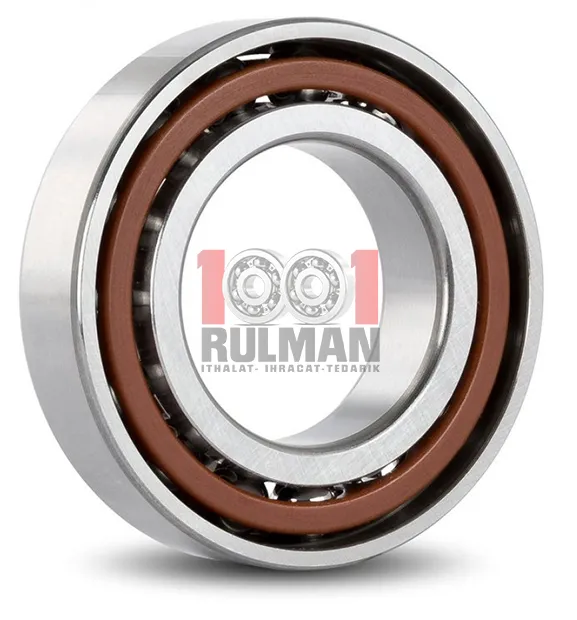

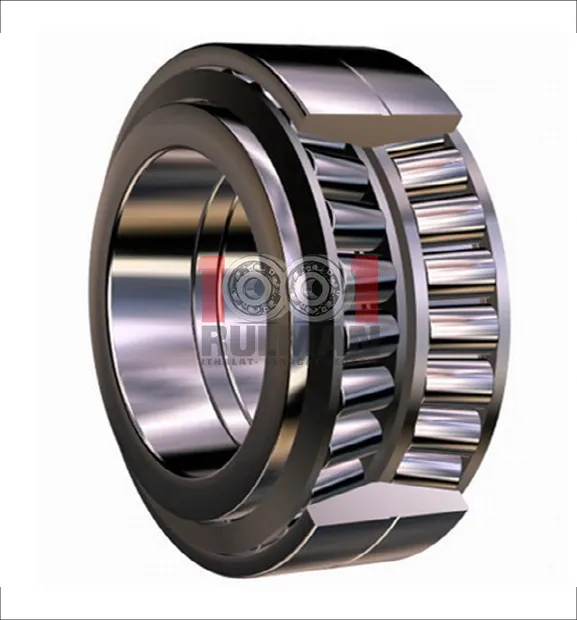


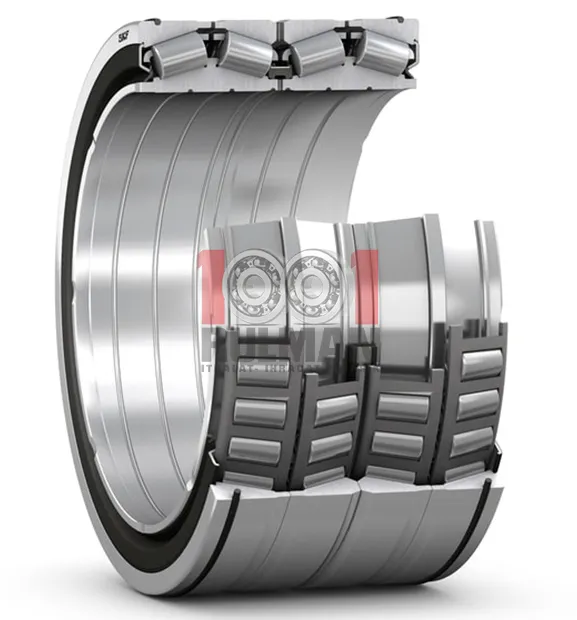
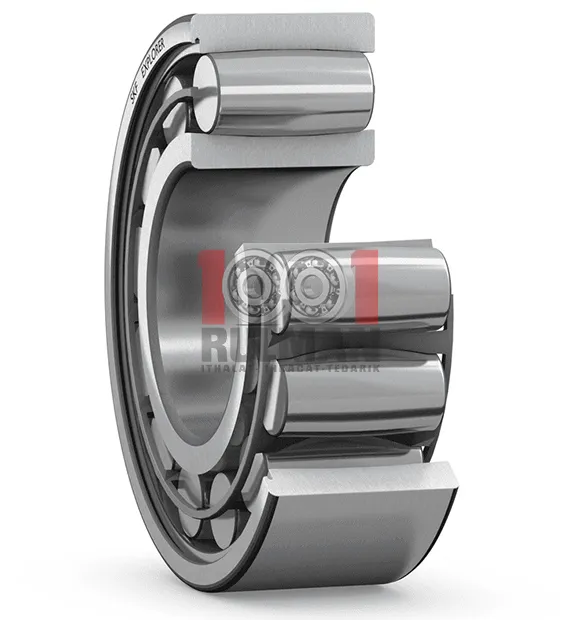

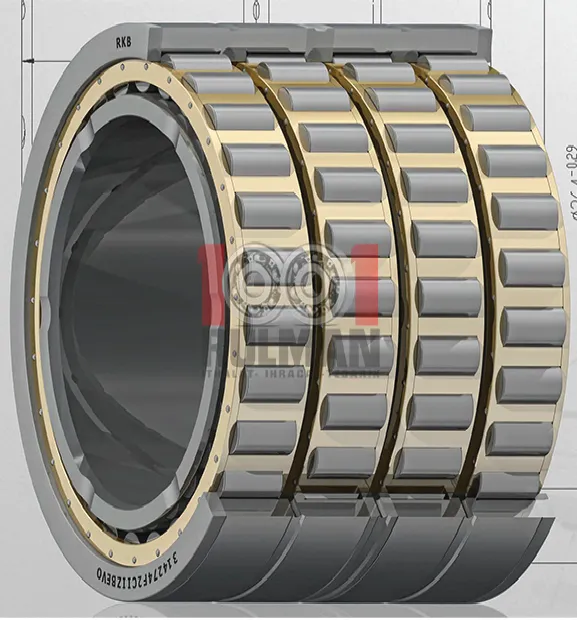

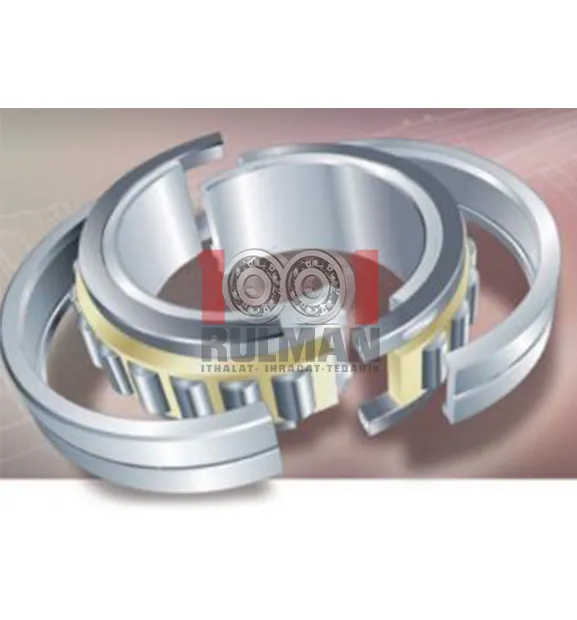


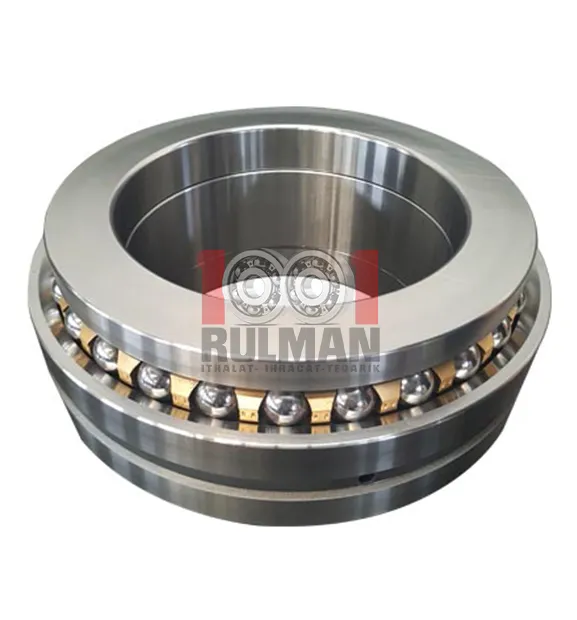


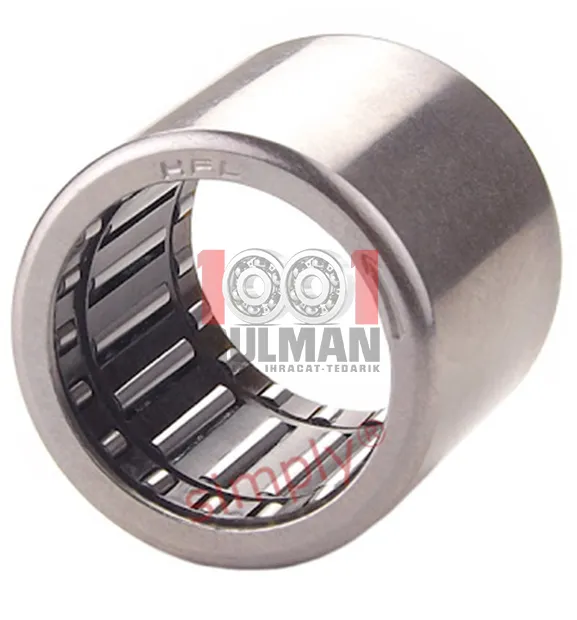
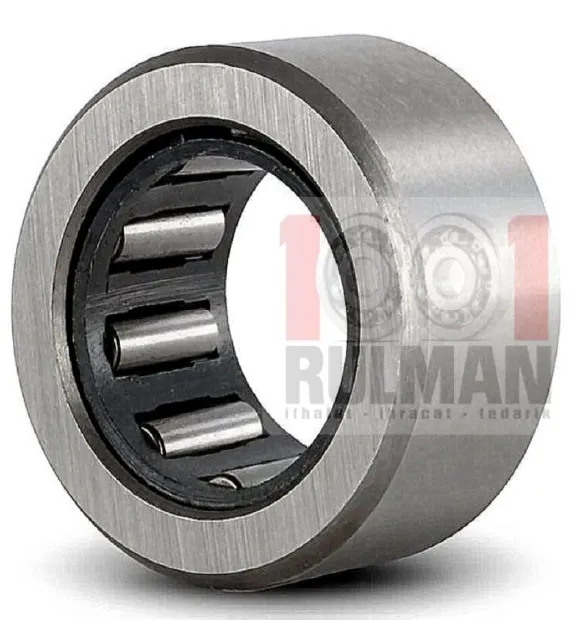


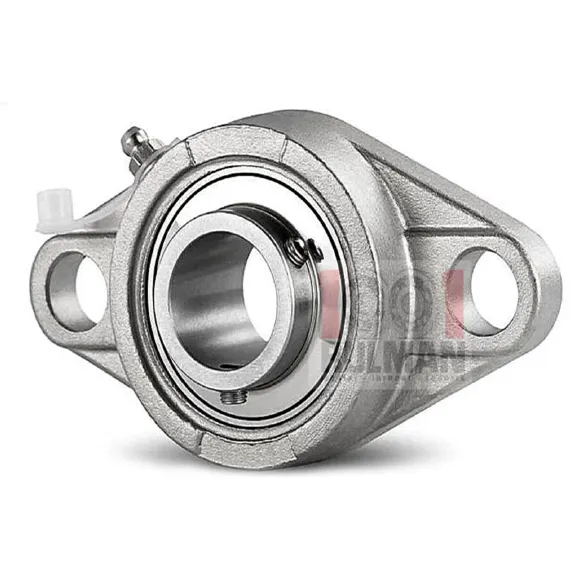




What is a bearing?
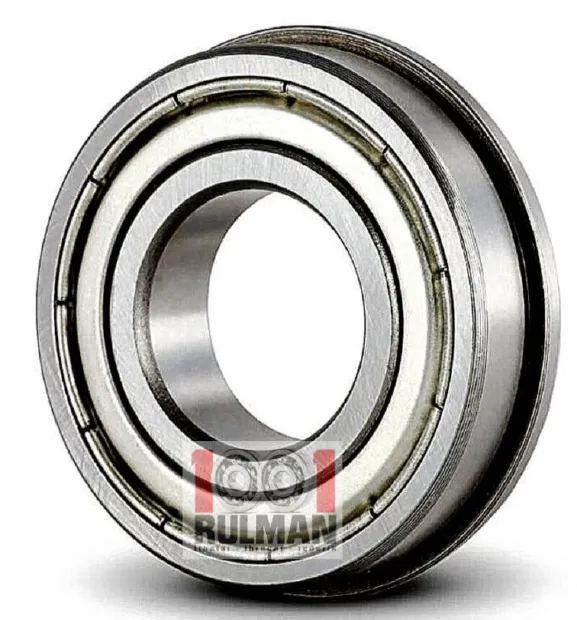
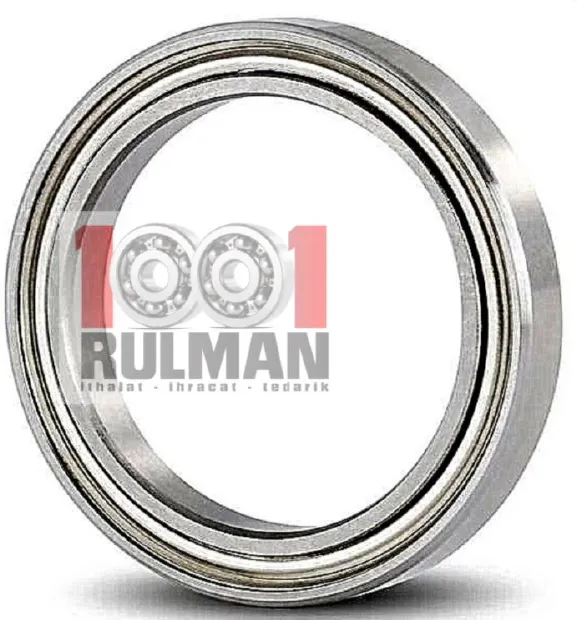
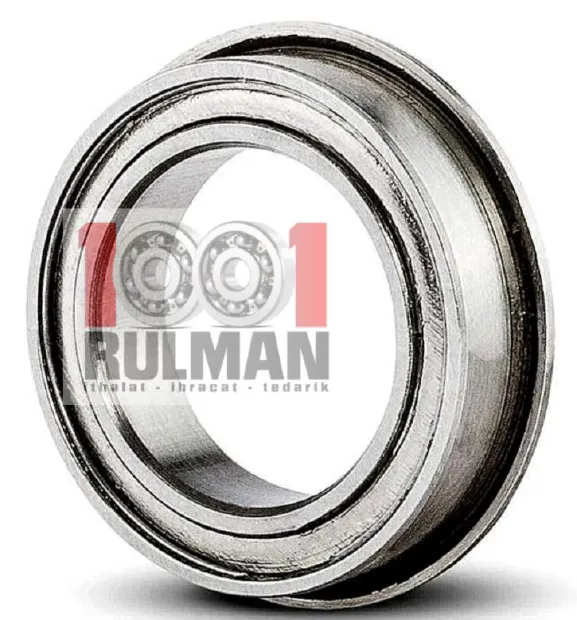
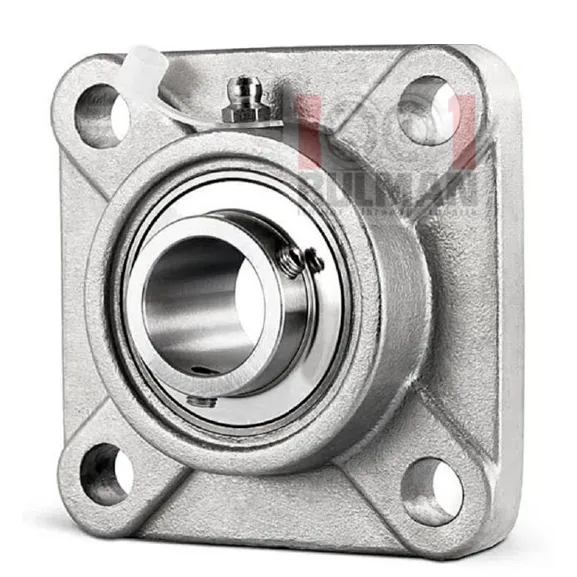
Bearing is a machine part and is used in regulating mechanical movements and balancing the load. Bearings are used to make rotating movements between two horizontal axes, so that moving parts do not come into contact with each other. In this way, machine parts move with less friction and therefore the machine consumes less energy. Bearings can be manufactured in a variety of sizes and from different materials and can be used in many different machines and systems.
Bearings generally have bi-directional load carrying capacity, and since they are designed considering that loads can come from all directions, they help balance the load in many machines and systems. The design of bearings may vary depending on the conditions of the environment and loads in which they operate. For example, bearings made of waterproof material can be used for machine parts operating under water and humidity. In addition, bearings made of more durable materials may be preferred for machine parts operating under high temperature and wear conditions.
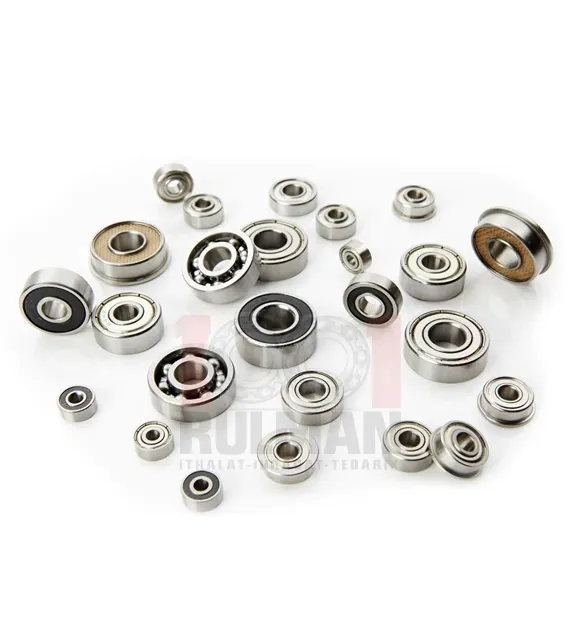
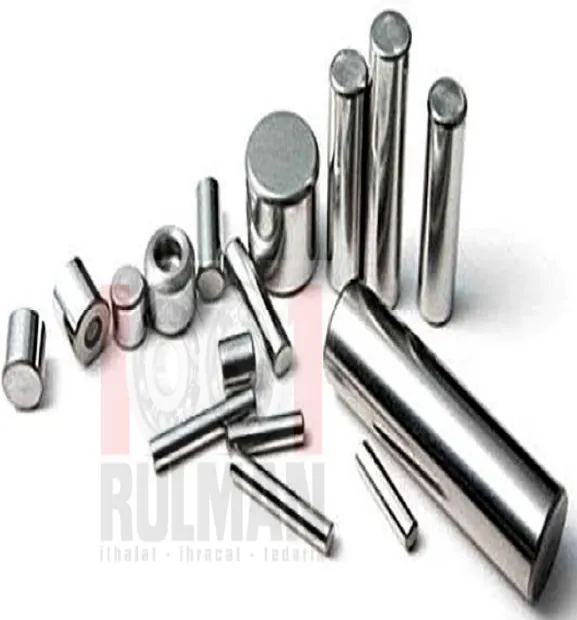
Bearings can have various design shapes. For example, flat-faced bearings, which have flat surfaces and can only perform rotary motion, tapered-faced bearings, whose surfaces are circular and can perform both rotary and lateral motion, and needle-faced bearings, whose surfaces are intertwined and can only perform lateral motion.
The working principle of bearings is to reduce friction by distributing the weight of the load while making a rotating movement on a rotary axis. In this way, machine parts work more efficiently by consuming less energy. Bearings have a wide range of uses and can be used in many different areas, from automobiles to electronic devices, household appliances, ships and even spacecraft.
What are the Usage Areas of Bearings?
Bearings have a wide range of uses and can be used in many different machines and systems. For example:
Electronic devices: They are used in the operation of electronic devices, motors and other moving parts. For example, moving parts in the freezer of a refrigerator, moving parts in the freezer of a refrigerator, moving parts in the freezer of a refrigerator, etc.
Household appliances: They are used in the operation of moving parts in household appliances, such as washing machines, refrigerators and ovens.
Ships: They are used in the operation of engines and other moving parts in ships.
Spacecraft: They are used in the movement of spacecraft and the operation of other moving parts.
Industrial machinery and equipment: They are used in the operation of industrial machinery and equipment, in the operation of engines and other moving parts. For example, in a milling machine, a lathe machine and a pressing machine.
Energy production systems: They are used in the operation of various moving parts in energy production systems. For example, in a wind turbine system and a hydroelectric power plant system.
Transportation systems: They are used in the operation of moving parts in transportation systems, such as in automobiles, trains, airplanes and ships.
Construction machinery and equipment: They are used in the operation of various moving parts in construction machinery and equipment. For example, in a truck crane system, a concrete mixer system and a rock crusher system.
and is used in many areas like these.
How Long is the Bearing Life?
The life of bearings can vary depending on many variables such as the application in which they are used, loads, speeds, temperatures, lubrication conditions, surface condition and other factors.
Bearing Prices
Prices may vary due to many factors such as bearing types, brands and models. To get the best offer, you can visit our contact page or fill out our quick quote form . We will get back to you as quickly as possible. ?